
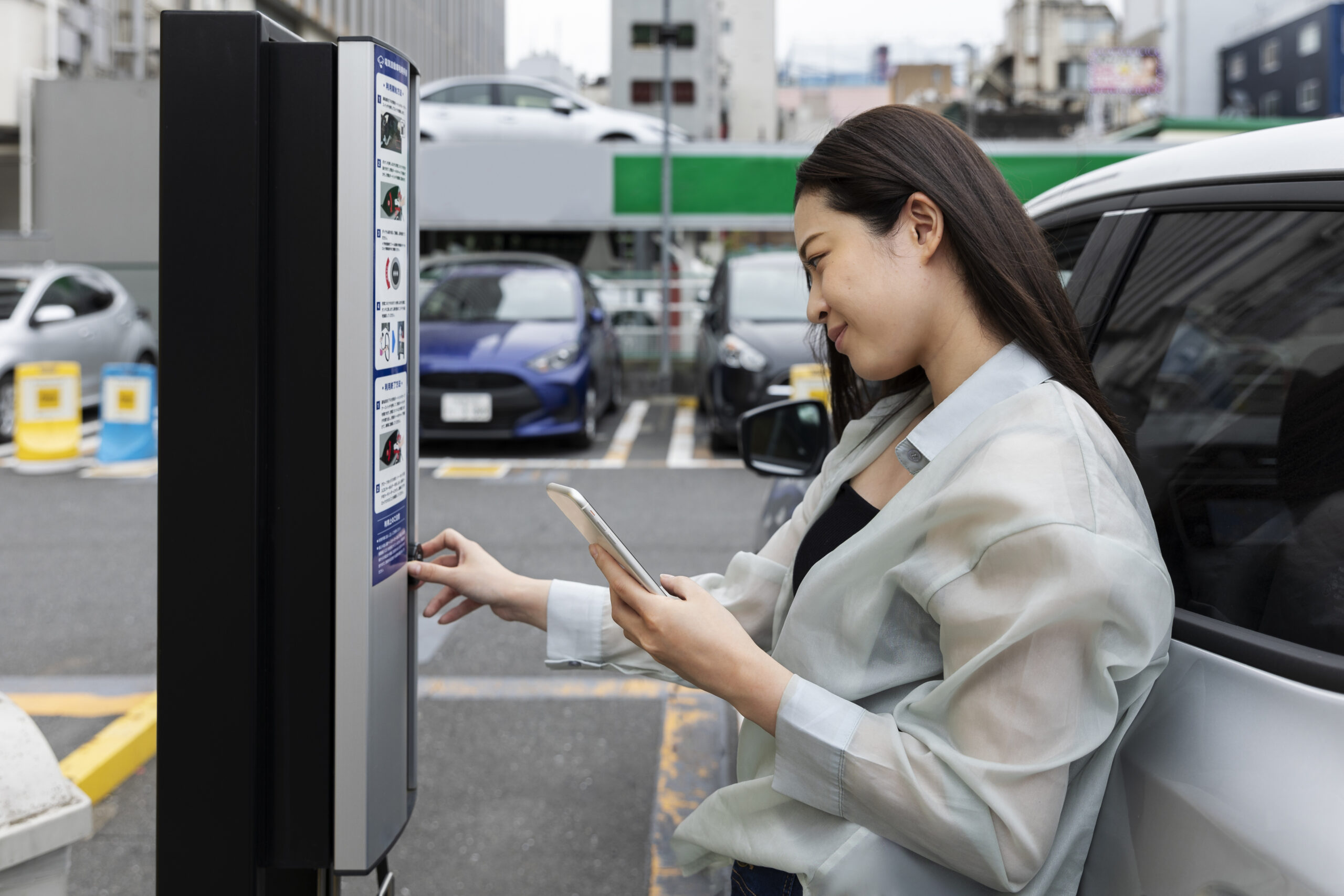
As land values rise and space becomes increasingly limited, New York City developments are turning to technology-driven parking solutions. Automated and mechanical parking systems allow developers to maximise parking capacity while reducing footprint, excavation depth, and circulation space. However, Automated parking systems cost is often misunderstood or underestimated during early planning stages.
Unlike conventional parking garages, automated systems combine civil works, structural elements, mechanical equipment, electrical systems, and software. Accurate estimation of Automated parking systems cost therefore requires a coordinated, data-led approach supported by detailed scope definition and a disciplined takeoff process. When handled correctly, these systems can deliver long-term value, but only if costs are understood clearly from the outset, True Bid Data.
What Drives Automated Parking Systems Cost?
Automated parking systems cost reflects more than the price of parking machinery. It represents a combination of construction, equipment supply, integration, and commissioning.
Typical cost components include:
• Mechanical parking equipment and control systems
• Structural framing and support systems
• Pits, slabs, and foundations
• Electrical power supply and backup systems
• Ventilation and fire protection interfaces
• Software, sensors, and safety systems
• Testing, commissioning, and training
Each component must be evaluated carefully to avoid scope gaps that can significantly affect the final budget.
Why Automated Parking Costs Are Sensitive in NYC
New York City presents conditions that make automated parking cost planning particularly critical:
• Limited site footprints and tight basements
• Zoning and parking compliance requirements
• High excavation and shoring costs
• Coordination with mixed-use developments
• Strict fire and life safety regulations
Because automated parking systems are often introduced to reduce space and excavation costs, inaccurate estimation of Automated parking systems cost can undermine the very benefits they are intended to deliver.
The Role of Takeoffs in Automated Parking Cost Estimation
A structured takeoff is central to reliable cost planning for automated parking systems. These systems involve multiple trades and interfaces that cannot be priced using lump-sum assumptions.
A typical automated parking takeoff includes:
• Number of parking bays and system modules
• Structural steel or concrete quantities supporting the system
• Pit depths, slab areas, and foundation volumes
• Power and data cabling lengths
• Control rooms and equipment spaces
• Fire protection and ventilation interfaces
These takeoffs form the basis of Bills of Quantities (BOQs) and supplier pricing, ensuring Automated parking systems cost is grounded in measurable scope.
System Type and Its Cost Impact
Different automated parking technologies carry very different cost profiles. Estimators must clearly identify the selected system type, such as:
• Semi-automated pallet systems
• Fully automated tower or puzzle systems
• Robotic shuttle-based parking
• Stacker systems for small footprints
A detailed takeoff separates system components clearly, allowing accurate comparison of capital cost, installation complexity, and operational implications.
Structural and Civil Integration
Automated parking systems place unique demands on structure and foundations. Loads, tolerances, and vibration control must all be considered.
Accurate estimation of Automated parking systems cost must account for:
• Structural reinforcement and slab thickness
• Pit excavation and waterproofing
• Precision tolerances affecting construction methods
• Coordination with adjacent building elements
Coordinated takeoffs across civil, structural, and mechanical scopes are essential to avoid late-stage redesigns.
Electrical, Controls, and Power Requirements
Electrical and control systems are a significant cost driver. Automated parking relies on motors, sensors, control panels, and software operating continuously.
Estimators should include in their takeoff:
• Power distribution and backup systems
• Control cabinets and server equipment
• Communication cabling and sensors
• Integration with building management systems
Underestimating these elements is a common cause of budget overruns in automated parking projects.
Labour, Installation, and Commissioning
True Bid Data, Installation productivity for automated parking systems differs from conventional construction. Specialist labour, precision installation, and extended commissioning periods all influence cost.
Reliable Automated parking systems cost estimation considers:
• Specialist installer availability
• Sequencing with structure and envelope completion
• Extended testing and safety validation
• Training for operators and maintenance staff
Linking labour assumptions directly to quantities from the takeoff improves accuracy and predictability.
BOQs and Cost Transparency
BOQs play a crucial role in managing automated parking costs. When derived from accurate takeoffs, BOQs allow:
• Transparent comparison of system suppliers
• Clear separation of construction and equipment costs
• Controlled variation pricing
• Progress tracking during installation and commissioning
For NYC developments with complex financing and approvals, this transparency is particularly valuable.
Lifecycle and Operational Cost Considerations
While capital cost is critical, Automated parking systems cost should also be evaluated from a lifecycle perspective. Estimators and planners may consider:
• Maintenance and servicing requirements
• Energy consumption
• Software updates and system upgrades
• Long-term reliability and downtime risk
Accurate takeoffs support lifecycle analysis by linking installed quantities to maintenance and operational planning.
Risk and Contingency Planning
Automated parking systems carry specific risks that must be reflected in estimates, including:
• Late design changes to parking layouts
• Regulatory approvals and inspections
• Supply chain delays for specialised equipment
• Interface issues with fire or life safety systems
Effective contingency planning ties these risks to quantified takeoff assumptions rather than broad allowances.
Digital Tools Supporting Automated Parking Estimation
Digital modelling and coordination tools are increasingly used to support automated parking projects. These tools allow:
• Visualisation of system layouts
• Automated takeoff generation from coordinated models
• Clash detection with structure and services
• Rapid cost updates when layouts change
In NYC projects, where space is limited and revisions are frequent, digital workflows are essential for maintaining cost control.
The Future of Automated Parking Cost Estimation
As automated parking technology evolves, cost estimation will become more data-driven. Emerging trends include:
• Modular system pricing models
• Automated takeoff integration with supplier data
• Predictive analytics for maintenance and energy use
• Closer integration with smart building platforms
These developments will improve confidence in Automated parking systems cost planning and support wider adoption in urban environments.
Conclusion
True Bid Data, Automated parking systems cost is a complex but increasingly important consideration for New York City developments. Because these systems combine construction, machinery, and technology, accurate estimation is essential to realise their spatial and financial benefits.
By grounding estimates in disciplined takeoffs, structured BOQs, and coordinated digital workflows, project teams can manage risk, control budgets, and make informed decisions. In NYC’s space-constrained construction market, precision in automated parking cost estimation is not just helpful it is essential to delivering efficient, future-ready developments.