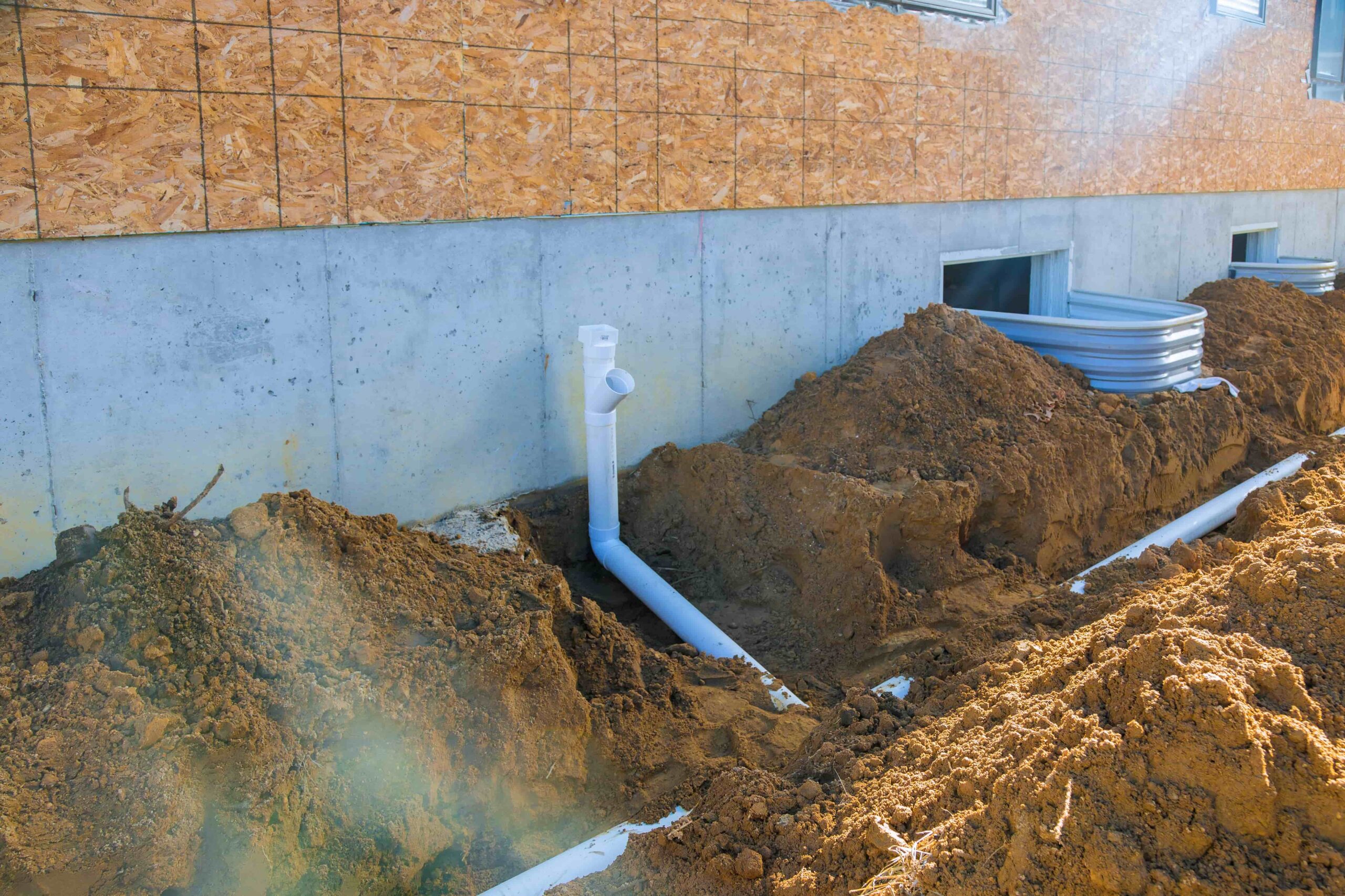

Mechanical, electrical, and plumbing systems form the operational backbone of modern buildings. In New York City, where buildings are vertical, densely serviced, and highly regulated, treating these systems in isolation often leads to coordination conflicts and budget overruns. This is why Combined MEP systems estimates are increasingly essential for accurate cost planning and successful project delivery.
Rather than estimating mechanical, electrical, and plumbing works separately, combined MEP estimation takes a holistic view of systems that share space, sequencing, and infrastructure. When supported by accurate quantities and a disciplined takeoff process, Combined MEP systems estimates provide greater cost certainty, improved coordination, and better decision-making across all project stages, True Bid Data.
What Are Combined MEP Systems Estimates?
Combined MEP systems estimates integrate the cost planning of mechanical, electrical, and plumbing works into a single coordinated framework. This approach recognises that these systems are interdependent and often compete for the same physical space within a building.
Typical scope elements included in combined MEP estimation are:
• HVAC equipment, ductwork, and piping
• Electrical distribution, lighting, and power systems
• Plumbing supply, drainage, and vent systems
• Controls, sensors, and automation interfaces
• Equipment supports, hangers, and sleeves
• Testing, commissioning, and system integration
Estimating these elements together allows teams to identify overlaps, efficiencies, and risks that are often missed in isolated estimates.
Why Combined MEP Estimation Matters in NYC
New York City construction environments amplify the importance of coordination. Ceiling voids are shallow, riser space is limited, and service corridors are congested. Under these conditions, fragmented estimation often results in underestimated labour, missing scope, or late-stage design changes.
Combined MEP systems estimates help address:
• Spatial clashes between ducts, pipes, and cable trays
• Duplicated allowances for supports and penetrations
• Sequencing inefficiencies between trades
• Underestimated testing and commissioning effort
By addressing these issues early, combined estimation reduces risk and improves cost predictability.
The Role of Takeoffs in Combined MEP Systems Estimates
A coordinated takeoff is the foundation of accurate combined MEP estimation. Instead of extracting quantities trade by trade, estimators measure systems together to reflect real installation conditions.
A combined MEP takeoff typically includes:
• Ductwork and pipe lengths by size and system
• Cable tray and conduit runs
• Shared supports, sleeves, and penetrations
• Equipment footprints and service clearances
• Insulation and firestopping quantities
These takeoffs ensure that Combined MEP systems estimates reflect actual coordination requirements rather than theoretical layouts.
Key Cost Drivers in Combined MEP Systems
Several variables strongly influence combined MEP costs, particularly in NYC projects:
• Building height, affecting vertical distribution
• System density, especially in mixed-use developments
• Energy and code requirements, increasing system complexity
• Access and congestion, reducing labour productivity
• Integration level, such as smart building controls
Identifying these drivers early allows teams to manage cost risk proactively.
Coordination Benefits of Combined Estimation
One of the greatest advantages of Combined MEP systems estimates is improved coordination. When systems are estimated together, teams can:
• Optimise routing and sequencing
• Reduce redundant supports and penetrations
• Align prefabrication strategies
• Improve installation efficiency
These benefits translate directly into cost savings and schedule reliability, especially on large NYC projects.
Labour Productivity and Installation Efficiency
Labour represents a significant portion of MEP costs. Productivity assumptions are often inaccurate when trades are estimated independently.
Combined estimation allows labour assumptions to reflect:
• Shared access constraints
• Phased installation strategies
• Prefabrication opportunities
• Realistic working conditions
Linking labour rates to coordinated takeoffs improves the reliability of Combined MEP systems estimates.
BOQs and Cost Transparency
True Bid Data, Bills of Quantities play a central role in managing combined MEP scope. When derived from coordinated takeoffs, BOQs allow:
• Clear separation of system costs within a unified structure
• Transparent tender comparisons
• Accurate variation pricing
• Progress tracking across all MEP trades
For commercial and public NYC projects, this transparency supports governance and financial control.
Digital Tools Supporting Combined MEP Estimation
Digital workflows are essential for producing reliable Combined MEP systems estimates. BIM and MEP coordination models allow estimators to generate integrated takeoffs directly from coordinated designs.
Digital tools support:
• Clash detection before construction
• Automated quantity extraction
• Rapid updates during design changes
• Alignment between design and cost planning
In NYC projects, where revisions are frequent, these tools significantly improve cost control.
Energy Performance and Sustainability Considerations
Energy efficiency goals increasingly influence MEP system design and cost. Combined estimation allows teams to evaluate:
• System efficiency trade-offs
• Shared controls and automation
• Reduced duplication of infrastructure
Accurate takeoffs support both cost and performance analysis, enabling data-driven sustainability decisions.
Risk and Contingency Planning
MEP systems carry specific risks that must be reflected in estimates, including:
• Late design coordination changes
• Authority and inspection requirements
• Equipment lead-time delays
• Commissioning complexity
Effective contingency planning ties these risks to quantified takeoff assumptions rather than broad allowances, improving predictability.
The Future of Combined MEP Systems Estimation
The future of Combined MEP systems estimates will be increasingly data-driven and integrated, with trends such as:
• AI-assisted system recognition
• Automated takeoff generation from live BIM models
• Predictive labour productivity analytics
• Integration of cost, energy, and carbon modelling
These advances will further enhance accuracy and coordination for complex NYC projects.
Conclusion
True Bid Data, Combined MEP systems estimates are essential for delivering cost-effective, coordinated, and high-performing buildings in New York City. Because mechanical, electrical, and plumbing systems are deeply interconnected, estimating them together provides clearer insight into true project cost and risk.
By grounding estimates in disciplined takeoffs, structured BOQs, and coordinated digital workflows, project teams can reduce uncertainty, improve installation efficiency, and maintain budget control. In NYC’s demanding construction environment, combined MEP estimation is not just best practice it is a strategic necessity for successful project delivery.