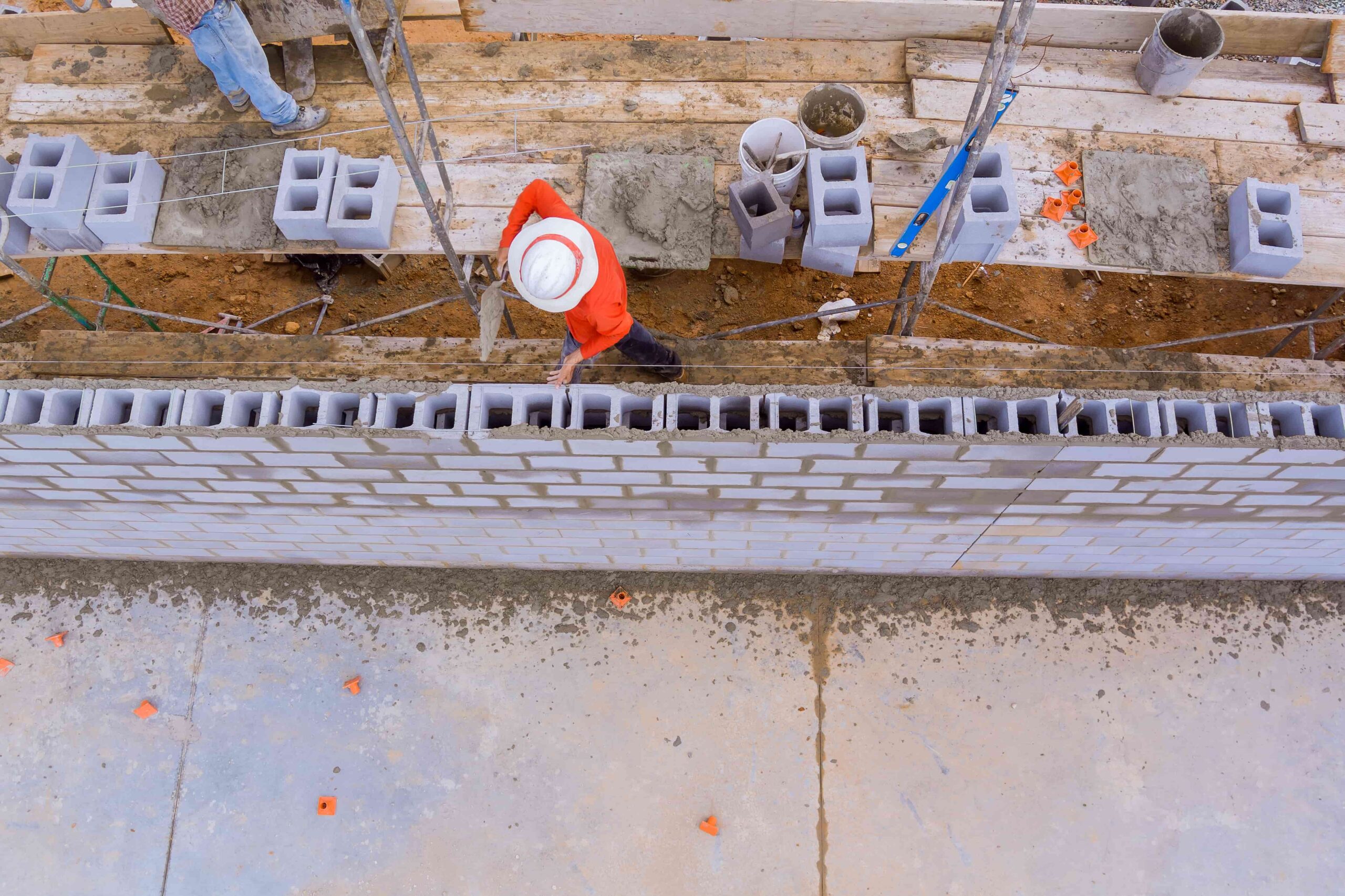
Concrete masonry units (CMUs), commonly known as concrete blocks, are a staple of construction across New York City. From structural walls and partitions to basements and service cores, concrete blocks offer durability, fire resistance, and cost efficiency. However, Concrete Block Costs can vary widely depending on design intent, labour conditions, and site constraints.
In NYC’s complex construction environment, relying on generic rates is risky. Accurate forecasting of concrete block costs depends on disciplined measurement, realistic labour assumptions, and a well-structured takeoff that converts drawings into dependable data. When handled correctly, blockwork estimation supports cost certainty, smoother procurement, and predictable execution, True Bid Data.
What Influences Concrete Block Costs?
Concrete Block Costs are shaped by more than just the price per unit. They reflect a combination of material selection, installation complexity, and coordination with other building systems.
Key components influencing blockwork costs include:
• Type and size of concrete blocks (standard, load-bearing, lightweight)
• Mortar, reinforcement, and grout requirements
• Wall height, thickness, and layout complexity
• Fire-rating and acoustic performance requirements
• Access conditions and working height
• Finishes applied to blockwork
Each of these factors must be evaluated carefully during estimation to avoid underpricing or scope gaps.
The Role of Takeoffs in Concrete Block Cost Estimation
A detailed takeoff is essential for controlling concrete block costs. Blockwork quantities cannot be estimated reliably without measuring wall areas, block counts, and reinforcement requirements.
A concrete block takeoff typically includes:
• Square footage or square metres of block walls
• Number of blocks by type and size
• Reinforcement bars, ladder wire, and grout volumes
• Openings for doors, windows, and services
• Lintels, bond beams, and special blocks
• Waste and cutting allowances
These takeoffs form the backbone of Bills of Quantities (BOQs), ensuring that concrete block costs are transparent and defensible at tender stage.
NYC-Specific Factors Affecting Concrete Block Costs
Concrete block construction in New York City faces conditions that significantly influence cost:
• Union labour rates and productivity norms
• Restricted site access and vertical material handling
• Tight programme sequencing with other trades
• Fire and acoustic code compliance
• Working at height in multi-storey buildings
Accurate Concrete Block Costs must reflect these realities early, rather than being absorbed later through variations.
Material Selection and Its Cost Impact
Not all concrete blocks are the same. Material choice directly affects both supply and installation cost. Estimators must consider:
• Standard versus lightweight blocks
• Load-bearing versus non-load-bearing applications
• Architectural or split-face finishes
• Moisture-resistant or specialty blocks
A structured takeoff differentiates block types clearly, allowing accurate pricing and comparison of alternatives during design development.
Labour and Installation Considerations
Labour represents a significant portion of Concrete Block Costs. Installation rates depend on wall geometry, block weight, reinforcement density, and site conditions.
Key labour-related factors include:
• Wall height and scaffold requirements
• Frequency of reinforcement and grouting
• Complexity around openings and service penetrations
• Coordination with MEP rough-ins
By linking labour assumptions to measured quantities from the takeoff, estimators can produce more realistic and reliable cost forecasts.
Integration with BOQs and Project Controls
BOQs play a vital role in managing concrete block costs. When derived from accurate takeoffs, BOQs allow:
• Clear separation of material and labour pricing
• Transparent tender comparisons
• Efficient variation management
• Progress tracking against installed quantities
For NYC public and large commercial projects, this level of clarity is often mandatory for compliance and audit purposes.
Digital Tools Improving Blockwork Estimation
True Bid Data, Modern estimating software has transformed how Concrete Block Costs are calculated. Digital tools allow estimators to generate blockwork takeoffs directly from CAD drawings or BIM models, enabling:
• Faster quantity extraction
• Reduced measurement errors
• Rapid updates when layouts change
• Improved coordination with structural and architectural models
In NYC projects, where design revisions are common, digital takeoffs help maintain cost accuracy without slowing decision-making.
Risk and Contingency in Concrete Block Costs
Concrete block construction carries specific risks that must be reflected in estimates:
• Changes in wall layouts late in design
• Unforeseen reinforcement requirements
• Access delays affecting productivity
• Material price fluctuations
Effective contingency planning ties these risks to quantified takeoff assumptions rather than generic allowances, improving cost control.
Sustainability and Performance Considerations
Concrete block systems are increasingly evaluated for sustainability and performance. Estimators may consider:
• Thermal mass benefits and insulation integration
• Durability and low maintenance requirements
• Potential for recycled content blocks
Accurate takeoffs support evaluation of both cost and performance, helping teams balance upfront Concrete Block Costs with long-term value.
The Future of Estimating Concrete Block Costs
The future of blockwork estimation will be driven by automation and data integration, including:
• AI-assisted recognition of block walls in drawings
• Automated takeoff generation from BIM models
• Integration of productivity benchmarks from past projects
• Combined cost and carbon analysis
These advancements will further improve accuracy and confidence in concrete block cost planning.
Conclusion
True Bid Data, Concrete Block Costs play a significant role in the financial performance of many NYC construction projects. Because blockwork often spans multiple floors and interfaces with several trades, estimation accuracy is critical.
By grounding estimates in disciplined takeoffs, structured BOQs, and digital workflows, project teams can manage cost, risk, and quality effectively. In a city where efficiency and durability matter, precise concrete block cost estimation supports smarter decisions and more predictable project outcomes.