
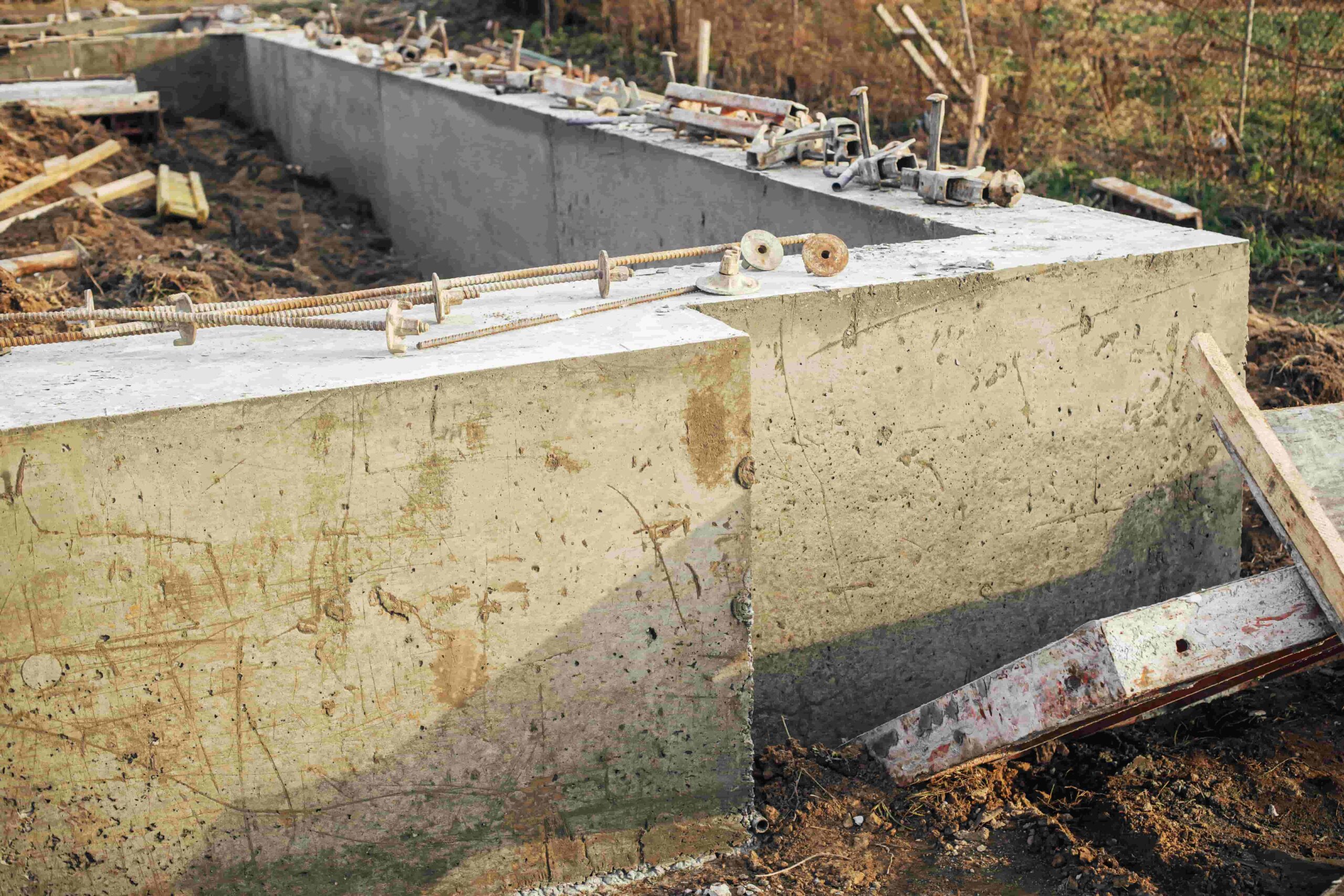
Every structure in New York City begins with a foundation the invisible strength beneath its skyline. Before excavation starts or rebar is tied, project accuracy depends on one key process: concrete foundation takeoffs. In an era where data accuracy drives profitability, mastering the art and science of foundation estimation is essential.
Concrete foundation takeoffs are not simply measurements of volume and area they represent the first layer of financial intelligence in the construction process. Whether for a Manhattan tower, a Brooklyn residential development, or a public infrastructure upgrade, precise takeoffs are what link design intent to real-world cost and resource allocation.
Understanding Concrete Foundation Takeoffs
A concrete foundation takeoff is the process of quantifying all materials, labour, and equipment required to build a structure’s base. This includes excavation, concrete, formwork, reinforcement, waterproofing, and backfill components.
Key aspects of accurate foundation takeoffs include:
- Measuring footings, pads, piers, and grade beams.
- Calculating concrete volume and rebar quantities.
- Accounting for formwork surfaces and reusable systems.
- Including excavation depth, shoring, and waterproofing details.
- Factoring in waste percentages, labour productivity, and curing time.
For NYC projects, these takeoffs provide the foundation (literally and financially) for the entire Bill of Quantities (BOQ) and cost plan.
The Connection Between Takeoffs and BOQs
The BOQ serves as the financial map of a project, and accurate concrete foundation takeoffs ensure that this map reflects reality. Each quantity within the BOQ from cubic metres of concrete to linear feet of formwork originates from detailed takeoff data.
When estimators perform foundation takeoffs using digital tools, the results feed directly into the BOQ, delivering benefits such as:
- Accuracy: Eliminating manual errors in measurement and pricing.
- Consistency: Applying standardised cost codes for all structural elements.
- Transparency: Allowing easy verification of quantities and costs during audits.
- Efficiency: Reducing revision time when drawings or site conditions change.
For NYC contractors bidding on large-scale developments, this integration between takeoff data and BOQs determines both competitiveness and credibility.
Digital Tools and Data Integration
The modern approach to concrete foundation takeoffs is data-driven and digitally connected. Estimators now use advanced platforms like CostX, Bluebeam, and Autodesk Revit to automate the takeoff process.
These tools allow teams to:
- Generate automated takeoffs directly from 3D models or CAD drawings.
- Connect material quantities to supplier databases for live pricing.
- Visualise complex footing layouts and reinforcement patterns.
- Collaborate across disciplines structural engineers, estimators, and project managers in real time.
In NYC’s dense construction environment, where foundation design often varies across adjacent lots, these digital systems ensure accuracy and speed while adapting to design changes instantly.
The Role of Data in Concrete Estimation
Concrete foundation takeoffs have evolved from static measurements into data ecosystems. Each project generates thousands of data points from concrete mix design to reinforcement spacing and formwork reuse rates.
By capturing and analysing this information, estimators can identify:
- Cost efficiency trends across multiple projects.
- Material waste patterns and optimisation opportunities.
- Productivity rates for excavation, formwork, and pouring activities.
- Carbon and environmental impacts of material sourcing.
For NYC developers, using data analytics in foundation takeoffs provides strategic insight that improves both cost forecasting and sustainability compliance.
Managing Complexity in NYC Foundations
No two foundations in New York City are identical. Soil variation, groundwater levels, and neighbouring structures introduce unique design and cost challenges.
Accurate takeoffs must therefore account for:
- Geotechnical Variability: Different bearing capacities and soil treatments.
- Urban Constraints: Limited staging areas and deep excavations near existing buildings.
- Code Requirements: Compliance with NYC Building Code and seismic standards.
- Schedule Impacts: Coordination between excavation, formwork, and concrete deliveries.
A single miscalculation in footing volume or reinforcement length can disrupt the entire structural sequence. For this reason, digital concrete foundation takeoffs are indispensable for risk mitigation and workflow coordination.
Reinforcement and Formwork Integration
Concrete foundation estimation doesn’t stop at concrete volume reinforcement and formwork form integral parts of the takeoff process.
Accurate foundation takeoffs include:
- Rebar Takeoffs: Detailed quantification of each bar size, lap, and spacing.
- Formwork Takeoffs: Measurement of surface areas, panel types, and cycle rates.
- Tie-In Coordination: Linking formwork and reinforcement data to ensure constructability.
This integrated approach provides a realistic view of labour and material interactions ensuring structural accuracy and cost control.
Cost Analytics and Market Volatility
In New York City, concrete foundation takeoffs must also account for volatile material pricing and logistical challenges. Cement shortages, trucking restrictions, and fuel fluctuations all affect cost predictability.
By integrating supplier data and predictive analytics, estimators can forecast:
- Seasonal variations in concrete and rebar prices.
- Delivery lead times for aggregates and cement.
- Equipment rental cycles tied to pour sequencing.
- Potential schedule delays and cost escalation factors.
These predictive insights transform takeoffs from static quantity reports into dynamic forecasting tools.
Sustainability and Lifecycle Considerations
As NYC accelerates its transition toward greener construction, foundation takeoffs now incorporate sustainability metrics. Estimators evaluate embodied carbon in concrete, rebar, and formwork systems enabling lifecycle costing and eco-friendly material selection.
Key sustainability practices include:
- Using low-carbon cement alternatives or recycled aggregates.
- Selecting reusable formwork systems.
- Reducing overdesign by optimizing structural layouts through data analysis.
- Linking sustainability data with LEED and NYC Green Building reporting frameworks.
By quantifying environmental performance alongside cost, takeoffs now serve as instruments of both fiscal and ecological responsibility.
The Future of Concrete Foundation Takeoffs
Looking ahead, concrete foundation takeoffs will be powered by artificial intelligence, machine learning, and digital twins. Estimators will soon use AI tools that:
- Automatically detect foundation elements from BIM models.
- Generate real-time cost outputs as design changes occur.
- Simulate site logistics and pour sequencing before execution.
- Integrate drone and sensor data for excavation verification.
This evolution marks the transition from reactive estimation to predictive construction intelligence where data, automation, and accuracy form the true foundation of NYC’s construction future.
Conclusion
Concrete may shape the skyline, but concrete foundation takeoffs shape the future of project success. In New York City, where every square foot is a challenge in precision, the ability to produce detailed, data-connected takeoffs defines not just cost accuracy but professional credibility.
By embracing digital platforms, analytics, and sustainable metrics, modern estimators ensure that each footing, pier, and slab is built on the strongest possible foundation one measured not only in cubic yards but in data integrity and foresight.