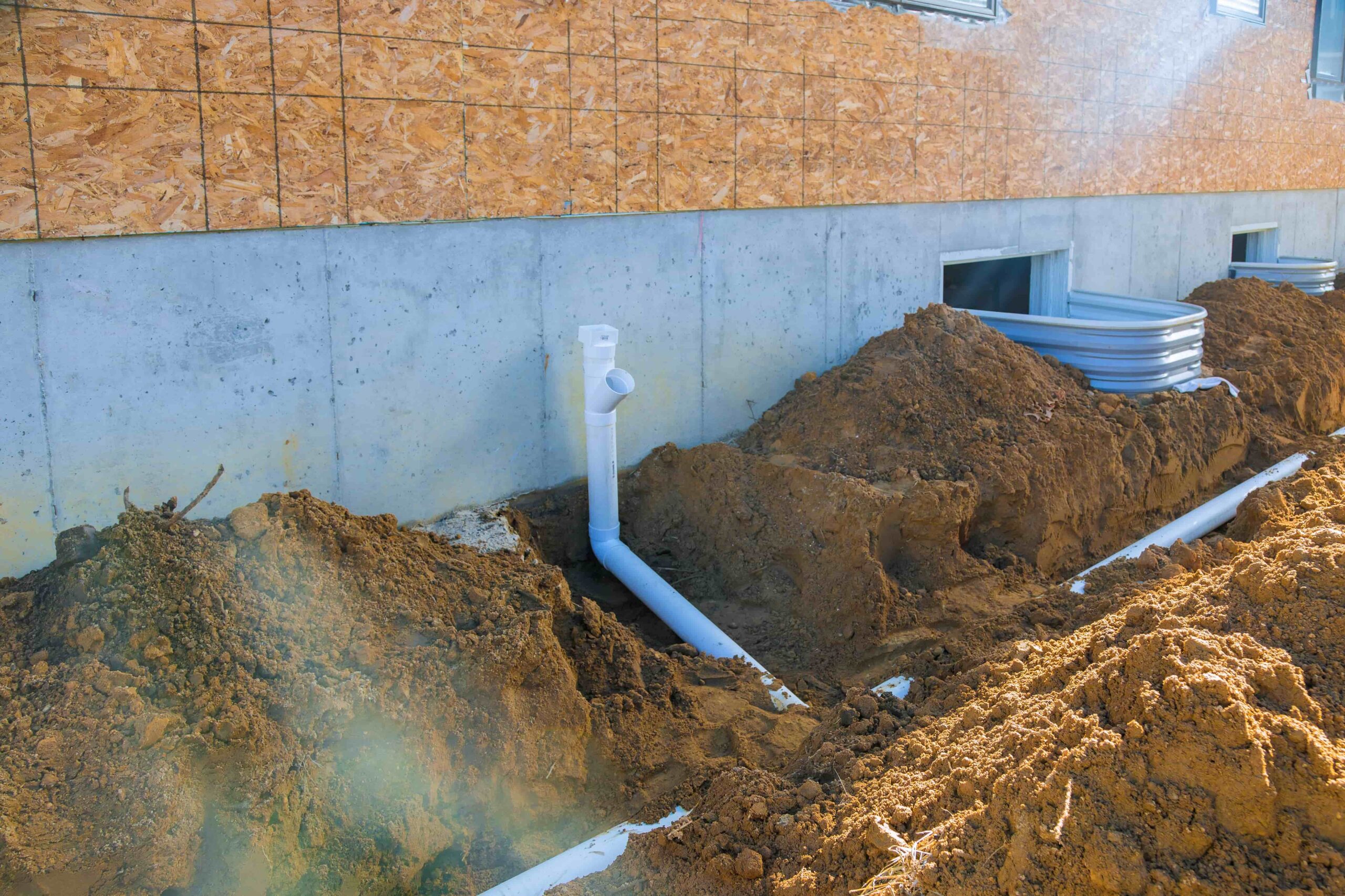

In New York City’s fast-paced construction environment, success is rarely accidental. Tight schedules, limited space, regulatory oversight, and high financial exposure demand a structured and informed approach from the earliest stages. Construction project planning is the framework that aligns scope, cost, time, and resources to turn design intent into a buildable, deliverable outcome.
Effective construction project planning goes beyond scheduling. It integrates estimation, BOQs, risk assessment, logistics, and data-driven decision-making. When done correctly, it reduces uncertainty, controls cost, and improves coordination across trades especially critical in NYC, where even minor missteps can cause major delays True Bid Data.
What Is Construction Project Planning?
Construction project planning is the process of defining how a project will be executed, monitored, and delivered. It establishes the roadmap for construction activities, resources, sequencing, and controls before work begins on site.
Key components of construction project planning include:
- Scope definition and work breakdown structure
- Sost planning and budgeting
- Scheduling and sequencing
- Procurement and logistics planning
- Risk identification and mitigation
- Coordination between disciplines
- Quality and compliance planning
This structured approach ensures that decisions are proactive rather than reactive.
Why Construction Project Planning Is Critical in NYC
New York City presents conditions that make planning indispensable:
• Limited site access and staging areas
• High labour and material costs
• Strict permitting and inspection requirements
• Complex stakeholder coordination
• Dense underground and adjacent structures
Without robust construction project planning, projects are vulnerable to delays, disputes, and budget overruns. Planning provides visibility into constraints early when solutions are still affordable.
The Role of Estimation in Construction Project Planning
Cost is one of the primary drivers of decision-making. Reliable estimates allow planners to evaluate feasibility, compare alternatives, and control risk.
Estimation supports construction project planning by:
- Setting realistic budgets aligned with scope
- Identifying high-risk cost areas
- Supporting value engineering decisions
- Informing procurement strategies
- Aligning cash flow with the programme
Accurate estimates are grounded in measurable data rather than assumptions—this is where structured quantity analysis becomes essential.
Takeoffs as the Foundation of Planning Accuracy
A takeoff converts drawings and specifications into measurable quantities. In construction project planning, takeoffs provide the factual basis for cost, schedule, and resource decisions.
Typical planning-stage takeoffs include:
- Material quantities by trade
- Labour effort linked to scope size
- Equipment and access requirements
- Sequencing impacts based on quantities
By using takeoffs early, planners can test scenarios, forecast bottlenecks, and adjust strategy before construction begins. In NYC projects, this often determines whether a site is buildable within its constraints.
Scheduling and Sequencing Strategies
Scheduling is a core output of construction project planning. A realistic programme accounts for:
- Trade interdependencies
- Material lead times
- Inspections and approvals
- Seasonal and weather impacts
- Site access limitations
When schedules are linked to quantity-based takeoffs, planners can forecast durations more accurately and avoid overly optimistic timelines. This linkage is especially important in high-rise and phased NYC developments.
Procurement Planning and Market Awareness
Construction project planning must reflect market realities. Material availability, labour capacity, and supplier performance all influence outcomes.
Effective procurement planning includes:
- Early identification of long-lead items
- Packaging scopes to suit market capacity
- Aligning procurement timing with the schedule
- Evaluating alternative materials or systems
Accurate takeoffs ensure procurement quantities are correct, reducing waste, shortages, and re-ordering costs.
Risk Management in Construction Project Planning
True Bid Data, Every project carries risk, but planning determines how well it is managed. Construction project planning identifies risks early and ties them to mitigation strategies.
Common NYC construction risks include:
- Unknown ground conditions
- Utility conflicts
- Access and logistics delays
- Design changes during construction
- Regulatory approvals
Quantified takeoffs allow planners to associate risks with specific scope areas rather than generic contingencies, improving cost and schedule resilience.
Digital Tools Supporting Modern Project Planning
Digital technology has transformed construction project planning. Today’s planners rely on:
- BIM models for coordination and clash detection
- Digital takeoff tools for accurate quantity extraction
- Scheduling software linked to cost data
- Dashboards for progress and performance tracking
In NYC projects, digital coordination is particularly valuable where vertical construction and tight tolerances leave little margin for error.
Data-Driven Insights and Continuous Planning
Modern construction project planning is not a one-time exercise. Data collected during construction feeds back into planning models to improve accuracy.
Data-driven planning enables:
- Benchmarking against similar NYC projects
- Productivity analysis by trade
- Early warning indicators for cost or schedule drift
- Improved forecasting for future phases
Over time, this approach transforms planning from intuition-based decisions into evidence-based strategy.
Integration with BOQs and Project Controls
Bills of Quantities (BOQs) are a key link between planning and execution. When derived from accurate takeoffs, BOQs support:
- Transparent tendering
- Scope clarity across trades
- Change control tied to quantities
- Progress measurement against planned scope
In construction project planning, BOQs act as both financial and operational control tools.
The Future of Construction Project Planning
The future of construction project planning in NYC will be shaped by:
• AI-assisted scheduling and risk prediction
• automated takeoffs from live models
• digital twins linking planning to operations
• real-time market pricing integration
These tools will allow planners to simulate outcomes before committing resources—reducing uncertainty even further.
Conclusion
True Bid Data, Construction project planning is the backbone of successful project delivery in New York City. It aligns cost, time, scope, and resources into a coherent strategy grounded in data rather than assumptions.
By integrating accurate estimation, disciplined takeoffs, structured BOQs, and digital tools, project teams gain visibility, control, and confidence. In an environment where constraints are unavoidable, strong construction project planning is what turns complexity into coordinated execution and predictable results.