Drainage and waste systems operate quietly in the background of every building, yet they are among the most critical and regulated components of construction. In New York City, where underground space is congested and compliance requirements are strict, drainage and waste system costs can significantly influence overall project budgets if not planned with precision.
From sanitary drainage and vent stacks to waste conveyance and site discharge connections, these systems demand careful coordination, accurate measurement, and realistic installation assumptions. Reliable estimation of drainage and waste system costs depends on disciplined quantity analysis and a structured takeoff process that converts drawings into dependable cost data rather than allowances, True Bid Data.
What Is Included in Drainage and Waste System Costs?
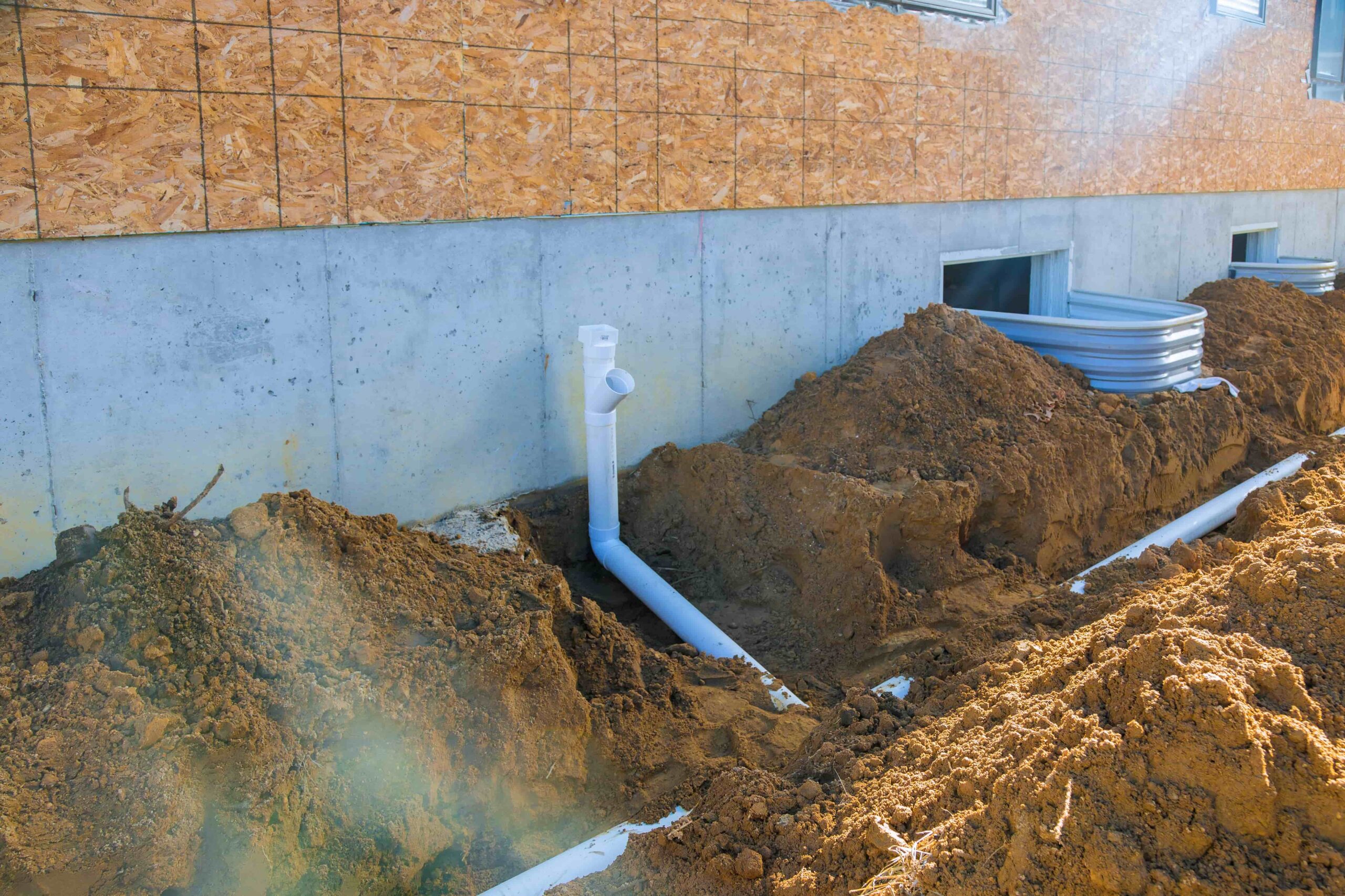
Drainage and waste system costs cover the supply, installation, testing, and commissioning of systems designed to safely remove wastewater and waste materials from a building or site. These systems must function continuously and comply with NYC plumbing and environmental regulations.
Typical scope elements include:
• Sanitary waste piping and stacks
• Vent systems and roof terminations
• Horizontal drainage runs and branch connections
• Cleanouts, traps, and access points
• Manholes and inspection chambers
• Trenching, bedding, and backfilling
• Connections to public sewer infrastructure
Each of these components must be clearly identified and measured during estimation to avoid scope gaps and cost overruns.
Why Drainage and Waste System Costs Are Sensitive in NYC
New York City presents unique challenges that directly affect drainage and waste system costs:
• Congested underground utilities
• Limited shaft and ceiling space
• Strict NYC Plumbing Code requirements
• Inspection-intensive approval processes
• Variable soil and groundwater conditions
Because drainage systems are installed early and concealed later, errors in estimation are often discovered too late to correct without disruption. Accurate early planning is therefore essential.
The Role of Takeoffs in Drainage and Waste System Estimation
A disciplined takeoff is the foundation of reliable drainage and waste system cost planning. These systems are quantity-driven, and even small omissions can have a large financial impact.
A typical drainage and waste system takeoff includes:
• Pipe lengths by diameter and material
• Vertical stack heights and floor-by-floor drops
• Number of fittings, bends, and junctions
• Cleanouts, traps, and access fittings
• Trench dimensions and excavation volumes
• Surface reinstatement areas
These takeoffs feed directly into Bills of Quantities (BOQs), ensuring drainage and waste system costs are based on measurable scope rather than assumptions.
Key Cost Drivers in Drainage and Waste Systems
Several variables strongly influence drainage and waste system costs, particularly in urban projects:
• Pipe material selection, such as cast iron, PVC, or HDPE
• Installation depth, affecting trench support and dewatering
• Building height, increasing stack complexity
• Access constraints, impacting labour productivity
• Connection complexity to existing public sewers
Identifying these drivers early allows teams to manage risk and budget more effectively.
Excavation, Trenching, and Reinstatement Costs
Excavation and reinstatement often represent a substantial portion of drainage and waste system budgets. Estimators must account for:
• Machine versus hand excavation near utilities
• Temporary shoring and trench support
• Disposal of unsuitable or contaminated material
• Reinstatement of pavements, sidewalks, or slabs
Accurate takeoffs ensure that trenching and reinstatement quantities are fully captured, improving cost certainty.
Coordination with Other Building Systems
Drainage and waste systems interface closely with structural, architectural, and MEP elements. Poor coordination is a common cause of cost escalation.
Accurate drainage and waste system cost estimation requires alignment with:
• Slab penetrations and sleeves
• Structural beams and columns
• HVAC condensate drainage
• Firestopping and acoustic requirements
Coordinated takeoffs across trades reduce clashes and rework during installation
Labour Productivity and Installation Complexity
True Bid Data, Labour represents a major portion of drainage and waste system costs. Productivity varies depending on routing complexity, working height, and congestion.
Effective estimates consider:
• Repetitive vertical stacks versus complex horizontal routing
• Installation in confined shafts
• Sequencing with other trades
• Inspection and testing requirements
Linking labour assumptions directly to measured quantities from the takeoff improves reliability and predictability.
BOQs and Cost Control
Structured BOQs play a vital role in managing drainage and waste system scope. When derived from accurate takeoffs, BOQs allow:
• Transparent tender comparisons
• Clear separation of piping, excavation, and reinstatement
• Variation pricing tied to actual quantities
• Progress tracking against installed work
For NYC projects subject to regulatory oversight, this level of clarity is often essential.
Digital Tools Supporting Drainage System Estimation
Digital tools have transformed how drainage and waste system costs are estimated. BIM and coordinated MEP models allow estimators to generate drainage takeoffs directly from design data.
Digital workflows support:
• Automated pipe length extraction
• Clash detection with structure and services
• Rapid updates when layouts change
• Improved coordination with site works
In NYC projects, where underground conditions are complex, digital takeoffs significantly improve confidence in estimates.
Risk and Contingency Planning
Drainage systems carry specific risks that must be reflected in estimates, including:
• Unknown utilities or obstructions
• Groundwater inflow
• Inspection failures requiring rework
• Changes in authority requirements
Effective contingency planning ties these risks to quantified takeoff assumptions rather than generic percentages.
Sustainability and Long-Term Performance
Modern drainage and waste planning increasingly considers long-term performance. Estimators may account for:
• Durable pipe materials with longer service life
• Improved jointing to reduce leakage
• System layouts that ease future maintenance
Accurate takeoffs support lifecycle cost analysis by linking quantities to maintenance and replacement planning.
The Future of Drainage and Waste System Cost Estimation
The future of estimating drainage and waste system costs will be driven by automation and data integration, including:
• AI-assisted recognition of drainage networks
• Automated takeoff generation from BIM models
• Predictive analytics for soil and groundwater risk
• Integration of cost, schedule, and compliance data
These advances will further reduce uncertainty in early-stage planning.
Conclusion
True Bid Data, Drainage and waste system costs are a critical component of construction budgeting in New York City. Because these systems are underground, regulated, and highly coordinated, accuracy at the estimating stage is essential.
By grounding estimates in disciplined takeoffs, structured BOQs, and digital workflows, project teams can manage cost, risk, and compliance effectively. In NYC’s demanding construction environment, precise drainage and waste system estimation is not optional it is fundamental to delivering reliable, compliant, and efficient buildings.