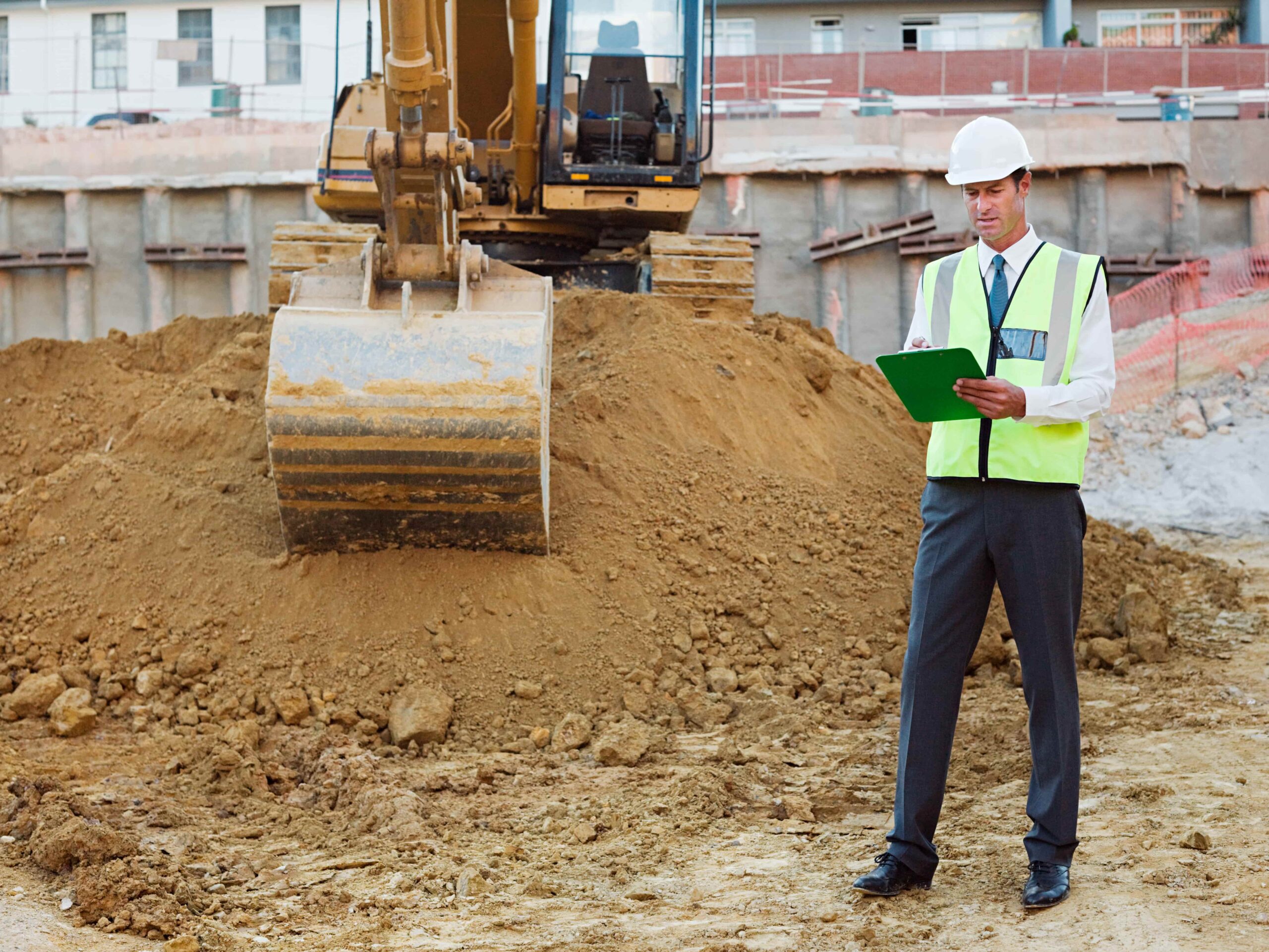
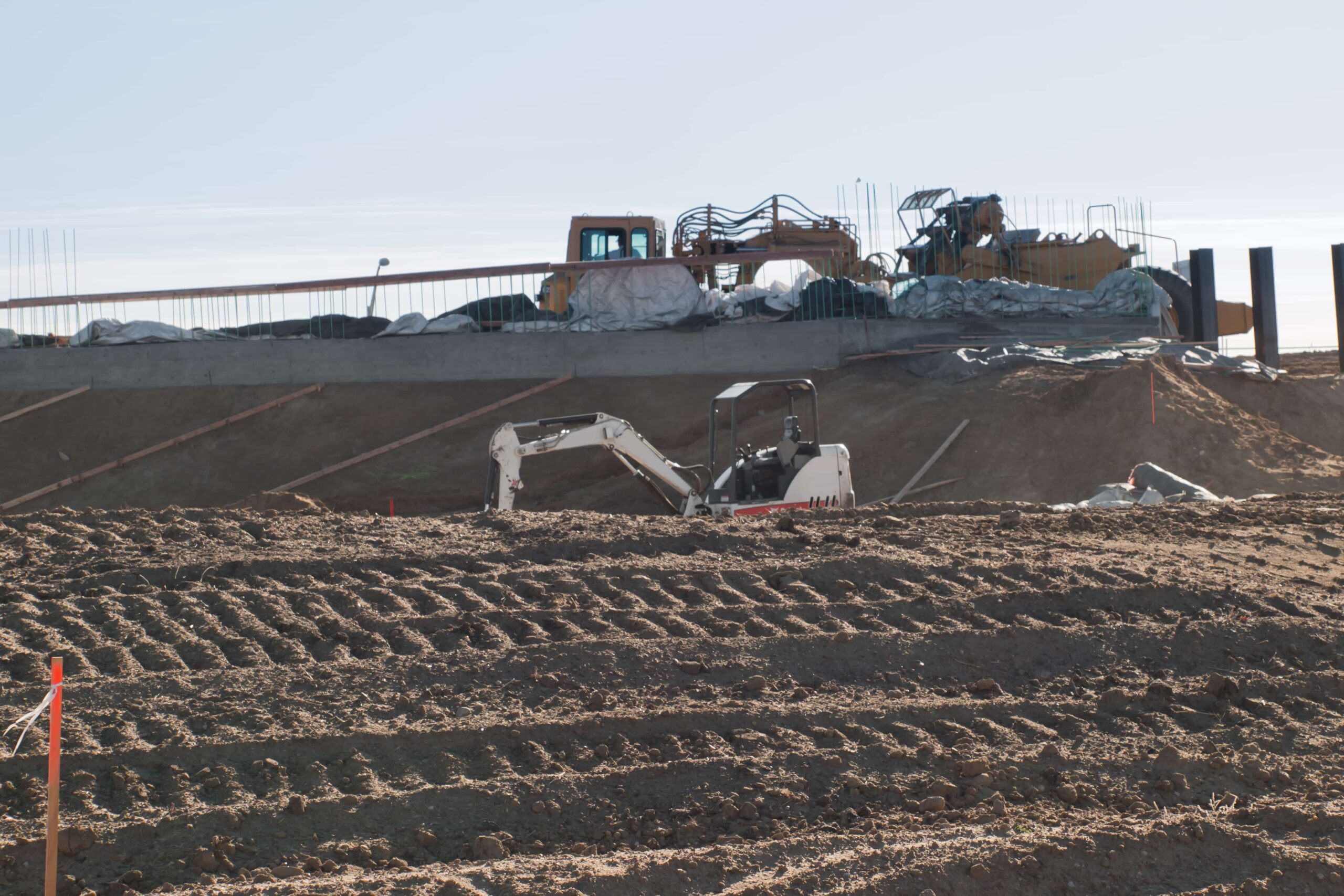
Landfills are integral to managing waste and developing usable land in New York City, especially in urban areas where space is at a premium. Whether constructing a new landfill or expanding an existing one, accurate estimation of landfill construction costs is essential for both sustainability and financial management.
Because landfill construction involves extensive groundwork, environmental controls, regulatory compliance, and long-term operational considerations, it requires careful planning and accurate quantity measurement. A reliable takeoff process plays a pivotal role in defining costs, ensuring that resources are allocated effectively and compliance is met throughout the project lifecycle, True Bid Data.
What Drives Landfill Construction Costs?
Landfill construction costs include all activities involved in preparing, building, and managing a landfill site, from excavation and material handling to environmental controls and monitoring systems. These costs depend on factors such as site conditions, environmental impact, and regulatory requirements.
Key cost components include:
• Site preparation: clearing, excavation, and grading
• Foundation and lining systems: including geomembranes and compacted clay
• Drainage systems: leachate collection and groundwater monitoring
• Soil cover and daily operations: compacted soil layers and cap materials
• Stormwater management: drainage and erosion control
• Environmental monitoring systems: air, water, and soil testing
• Safety and regulatory compliance: permits, inspections, and documentation
Each of these components must be measured accurately to avoid unexpected cost increases or delays.
Why Landfill Construction Costs Are Complex in NYC
Building landfills in New York City comes with unique challenges that affect landfill construction costs. These include dense urban settings, strict environmental regulations, and proximity to residential or commercial areas.
Key NYC-specific factors include:
• Site contamination: pre-existing contamination or hazardous materials
• Soil conditions: rock, groundwater, and existing fill material
• High disposal fees: transporting excess soil or construction waste
• Strict environmental regulations: ensuring compliance with local laws regarding leachate, methane emissions, and waste management
• Community concerns: noise, odor, and visual impact mitigation
Due to these complexities, accurate estimation of landfill construction costs requires careful site analysis, early regulatory coordination, and clear cost modeling.
The Role of Takeoffs in Landfill Construction Estimation
A reliable takeoff process is essential for landfill construction cost estimation. Landfill projects involve large-scale earthworks, material management, and infrastructure development, so accurate quantity measurement is critical to avoid cost overruns.
A typical landfill construction takeoff includes:
• Excavation volumes for site preparation and grading
• Material quantities for lining, cover, and drainage systems
• Drainage and piping lengths for leachate collection and stormwater management
• Soil compaction requirements for liner and cap systems
• Geotechnical material quantities such as geomembranes, gravel, and sand
These takeoffs form the foundation of Bills of Quantities (BOQs), which ensure that landfill construction costs are based on real quantities rather than broad estimates.
Key Cost Drivers in Landfill Construction
Several factors strongly influence landfill construction costs, particularly in NYC:
• Site preparation complexity: the extent of clearing, grading, and foundation work
• Material costs: geosynthetic liners, compacted clay, gravel, and drainage systems
• Regulatory compliance: the cost of meeting local environmental and safety standards
• Project scale: the size and capacity of the landfill, including the number of cells and waste management systems
• Soil and groundwater conditions: requiring special treatment or excavation methods
Accurate estimation identifies these factors early, allowing teams to plan for contingencies and avoid underestimating costs.
Environmental and Regulatory Compliance
Landfill construction is heavily regulated due to the potential environmental impact. Compliance with local and state environmental laws adds significant costs to the project.
Key regulatory factors include:
• Environmental monitoring: leachate, methane, and groundwater testing
• Emissions control: monitoring air quality and odors
• Stormwater management: to prevent contamination from runoff
• Permits and inspections: for each stage of construction
Failure to account for these costs early in the takeoff process can lead to significant delays and fines.
Soil and Groundwater Management
Soil conditions and groundwater management are major drivers of landfill construction costs. Excavation, dewatering, and stabilising the site may require special equipment, treatment, and disposal strategies.
Factors to consider include:
• Soil stability: whether soil reinforcement or additional excavation is necessary
• Groundwater levels: requiring dewatering systems or drainage installations
• Contaminated soil removal: if hazardous materials are present on-site
Accurate takeoffs for soil and groundwater systems help teams understand the complexity of these challenges and allocate resources accordingly.
Equipment and Labour Costs
True Bid Data, Heavy machinery, excavation equipment, and specialised labour are critical to landfill construction. Estimating these costs requires consideration of:
• Equipment types: excavators, bulldozers, compactors, and haul trucks
• Labour productivity: affected by site conditions, access, and union regulations
• Operation duration: how long each phase of the construction process will take
By linking equipment and labour costs to measured quantities from the takeoff, estimators can refine their budget and improve schedule predictability.
BOQs and Cost Control for Landfill Projects
A structured BOQ is essential for managing landfill construction costs. When built from accurate takeoffs, BOQs provide a detailed breakdown of materials, labour, and equipment, ensuring:
• Transparent tender comparisons
• Clear tracking of progress and expenditures
• Control of material waste and site inefficiencies
For large or government-funded landfill projects in NYC, a well-structured BOQ is crucial for compliance, financial monitoring, and auditability.
Digital Tools Supporting Landfill Construction Estimation
Digital tools, such as BIM and civil engineering software, have revolutionised landfill construction cost estimation. These tools enable:
• Automated volume calculations for excavation and fill
• Integration with site surveys and geotechnical data
• Improved coordination between civil, environmental, and structural teams
• Rapid updates when site conditions or designs change
For NYC projects, these digital workflows ensure that landfill construction costs are based on real-time data, improving accuracy and reducing the risk of surprises.
Risk and Contingency Planning
Landfill projects are high-risk and often face unexpected challenges. Risks include:
• Site contamination or hazardous waste
• Weather impacts on construction progress
• Design revisions during permitting or approvals
• Environmental failures during construction, requiring remediation
Effective contingency planning ties these risks to specific takeoff assumptions, helping teams plan for the unexpected and keep costs under control.
The Future of Landfill Construction Cost Estimation
The future of landfill construction cost estimation will be increasingly shaped by:
• AI-assisted soil analysis and risk prediction
• Automated takeoff generation from survey data
• Integration with environmental management systems
• Predictive modelling for waste volume and material use
These technologies will improve the precision of cost estimates, enabling better decision-making and greater sustainability in landfill development.
Conclusion
True Bid Data, Landfill construction costs are a significant component of urban infrastructure projects in New York City. Accurate estimation is essential for balancing the need for sustainable waste management with budget realities.
By leveraging detailed takeoffs, structured BOQs, and digital tools, project teams can manage costs, mitigate risks, and meet environmental standards. In a city that constantly faces space constraints and evolving environmental regulations, precision in landfill construction cost estimation ensures that these critical projects are delivered successfully and sustainably.