
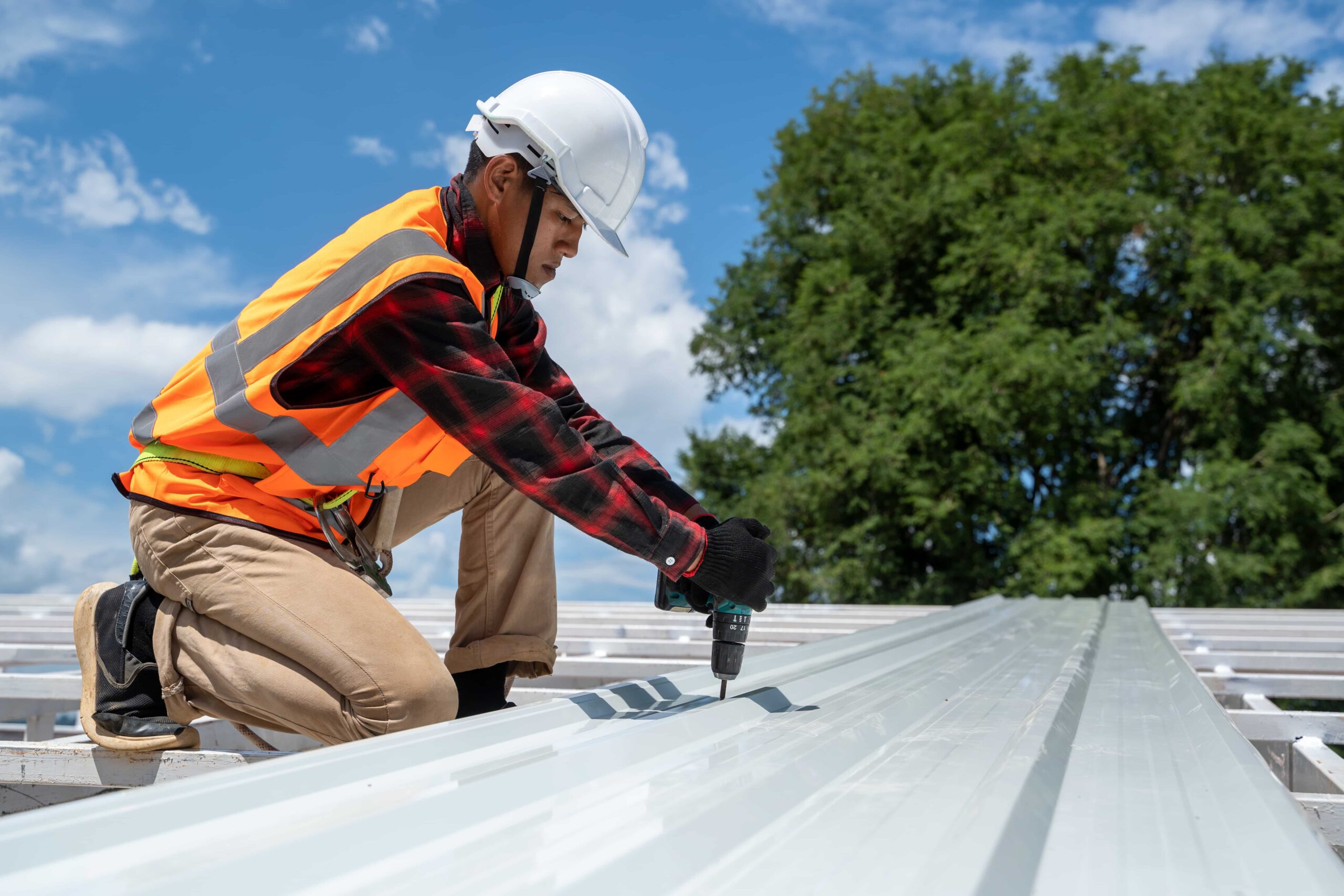
In New York City, rooftops are more than just protective layers they’re architectural statements, energy systems, and crucial performance zones. Whether crowning a high-rise residential tower, a commercial warehouse, or an institutional building, metal roofing demands a level of planning and precision that starts with one core process: metal roofing takeoffs.
Accurate takeoffs are the foundation for financial control, material efficiency, and project coordination. In an era where digital estimation meets sustainable design, the quality of a roofing takeoff often determines how well a project performs both structurally and economically.
Understanding Metal Roofing Takeoffs
A metal roofing takeoff involves calculating every component required to fabricate and install a complete roofing system. This process translates architectural and structural drawings into measurable, actionable data for procurement and cost control.
A comprehensive takeoff includes:
- Sheet metal quantities (standing seam, corrugated, or panel systems).
- Flashings, trims, gutters, and downspouts.
- Fasteners, clips, and underlayment materials.
- Insulation, vapour barriers, and coatings.
- Labour productivity rates for installation.
These takeoffs establish the groundwork for accurate BOQs and enable contractors to manage both technical and financial aspects efficiently an essential advantage in NYC’s competitive roofing market.
The Role of Takeoffs in BOQs and Estimation
A Bill of Quantities (BOQ) is only as reliable as the data it’s built on. Integrating precise metal roofing takeoffs into a project’s BOQ ensures cost predictability and alignment between design, procurement, and installation.
With digital systems, takeoff data can feed directly into BOQ templates to:
- Streamline Estimation: Linking quantities to standard cost codes.
- Reduce Errors: Automatically adjusting for roof slopes, overlaps, and waste.
- Enhance Transparency: Allowing clear comparisons between bids.
- Improve Cash Flow Planning: Synchronising material supply with construction phases.
In New York City—where project budgets and timelines face constant scrutiny accurate takeoffs help stakeholders maintain confidence from tender to turnover.
Digital Transformation in Roofing Takeoffs
The era of manual measurement has ended. Digital tools now enable estimators to perform metal roofing takeoffs with speed, consistency, and precision unimaginable a decade ago.
Software such as Bluebeam, CostX, and PlanSwift allows estimators to:
- Extract roof areas and slopes directly from 2D or 3D models.
- Integrate supplier data for real-time pricing.
- Adjust for roof penetrations and mechanical units automatically.
- Generate colour-coded roof maps for visual verification.
For NYC projects, where irregular roof geometries and parapet details are common, digital takeoffs eliminate guesswork and reduce costly revisions during installation.
Managing Complexity in NYC Roofing Projects
Performing metal roofing takeoffs in New York City introduces challenges unique to its built environment:
- Logistics: Tight delivery windows and limited staging space on urban sites.
- Design Variety: Custom roof shapes, mechanical equipment zones, and solar installations.
- Regulation: Compliance with local energy efficiency and fire safety codes.
- Weather Considerations: Accounting for insulation thickness and drainage capacity.
A well-executed takeoff anticipates these conditions, embedding them into material selection, installation sequencing, and budget forecasting.
Data-Driven Estimation and Cost Forecasting
Modern metal roofing takeoffs go beyond measurement they generate actionable data. By integrating analytics and historical cost records, estimators can forecast financial and performance outcomes with greater precision.
This data-driven approach helps identify:
- Cost per square foot trends by roof type.
- Material waste patterns based on roof complexity.
- Seasonal labour productivity variations.
- Correlations between panel type and installation efficiency.
For NYC contractors, this analytical insight ensures each roofing project aligns with both cost efficiency and long-term performance objectives.
Integrating Sustainability and Performance
Metal roofing is a sustainable choice by design its durability, recyclability, and compatibility with solar systems make it a key player in NYC’s green construction future. But sustainability starts at the estimation stage, where metal roofing takeoffs quantify not only cost but also environmental performance.
Sustainable takeoffs measure:
- Recycled content percentages in roofing panels.
- Embodied carbon in fabrication and transport.
- Reflectivity and thermal efficiency data for energy modelling.
- Lifecycle cost analysis for maintenance and replacement intervals.
By embedding sustainability metrics in takeoffs, estimators help developers meet NYC’s Local Law 97 targets and LEED certification criteria without compromising cost precision.
Integration with Other Trades and Systems
Roofing does not exist in isolation. Effective metal roofing takeoffs must align with structural framing, insulation, and MEP penetrations to prevent coordination issues.
Modern workflows integrate roofing takeoffs with:
- Structural steel or truss layouts.
- Mechanical equipment curbs and vent openings.
- Roof access and safety systems.
- Rainwater management systems.
These connections ensure that every roofing element fits perfectly within the broader project model preventing rework and reducing overall project cost.
AI and Automation in Roofing Takeoffs
Artificial intelligence is redefining how estimators produce metal roofing takeoffs. AI-driven software can now detect roof shapes, slopes, and materials directly from digital drawings, automating measurement and even pricing in real time.
Emerging applications include:
- AI Pattern Recognition: Identifying roof assemblies automatically.
- Predictive Cost Modelling: Forecasting material and labour costs using live data.
- Cloud Collaboration: Allowing multiple stakeholders to review takeoffs simultaneously.
- AR/VR Verification: Overlaying digital takeoff data onto actual site conditions.
For New York’s construction professionals, this evolution means faster tendering, fewer errors, and greater transparency across design and construction stages.
The Future of Metal Roofing Takeoffs
The future of metal roofing takeoffs lies in connected intelligence where estimation, procurement, and project delivery operate as one continuous digital ecosystem.
In the coming years, NYC’s roofing estimators will rely on:
- Digital twins to simulate installation and maintenance performance.
- Blockchain-based data tracking for transparent material sourcing.
- Integrated energy modelling to link cost with operational efficiency.
- Predictive analytics for proactive decision-making.
These advancements will make roofing estimation not just about numbers, but about foresight turning data into strategy for cost, sustainability, and resilience.
Conclusion
In a city built on innovation and precision, metal roofing takeoffs are no longer a background task they are the framework for smarter, cleaner, and more efficient construction.
By merging digital technology, analytics, and sustainability data, estimators ensure that each NYC project’s roof performs as beautifully as it looks. In the age of smart construction, a well-executed takeoff is more than a calculation it’s a blueprint for excellence.