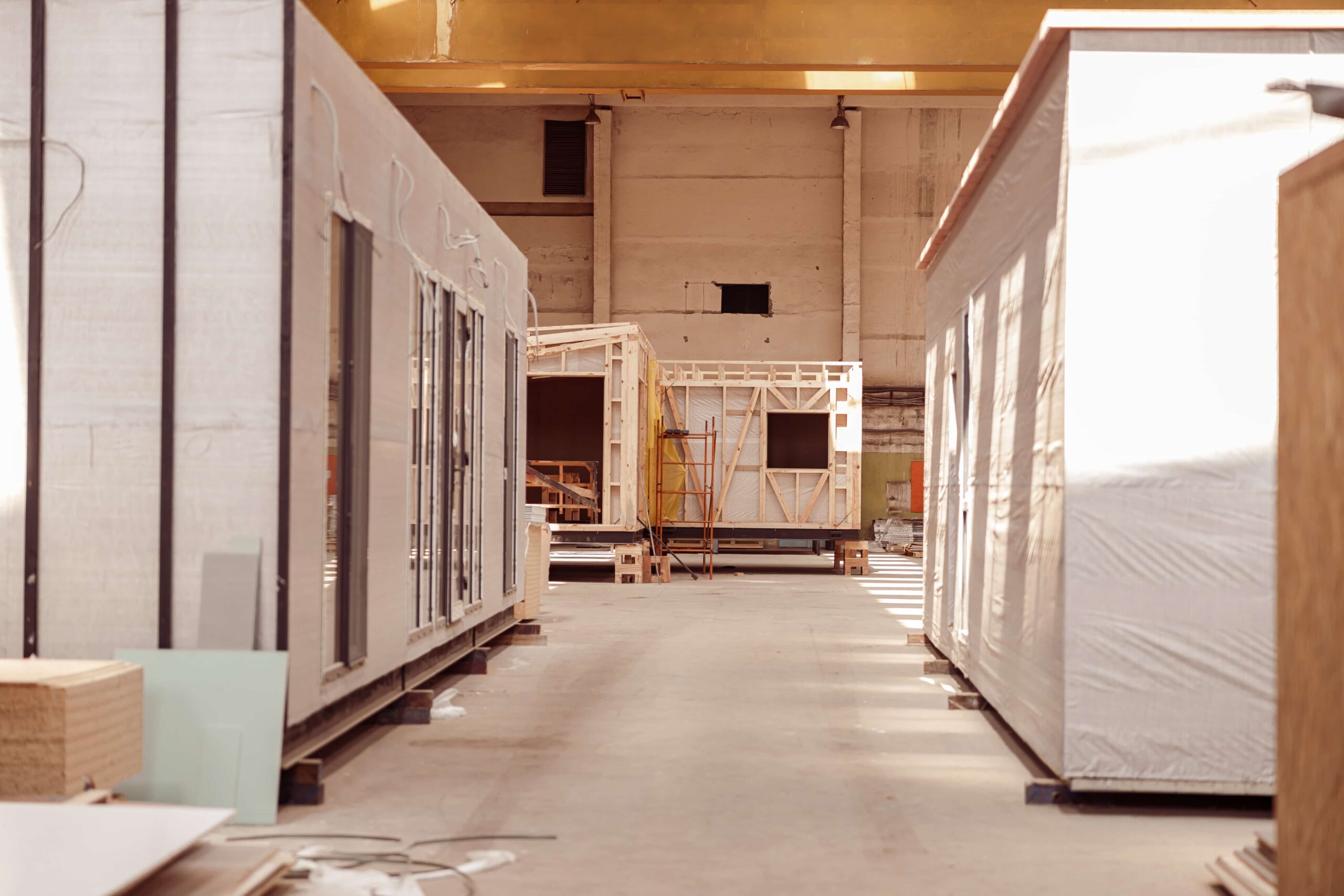
Prefabrication has moved from niche concept to mainstream solution across New York City. Housing, healthcare, hotels, schools, and mixed-use projects increasingly rely on components built in factories and assembled on-site. True Bid Data, At the heart of these projects are prefabricated building estimates the financial roadmap guiding procurement, design choices, scheduling, and risk management.
Unlike traditional construction, prefabrication shifts labour, quality control, and sequencing into highly controlled environments. That shift demands an estimation process that recognises new cost drivers, logistics realities, and digital coordination requirements. Accurate prefabricated building estimates allow owners and contractors to evaluate feasibility, manage budgets, and capitalise on schedule advantages while avoiding hidden costs. A disciplined quantity approach and reliable takeoff process sit at the foundation of this effort.
What Are Prefabricated Building Estimates?
Prefabricated building estimates determine the costs associated with constructing buildings from factory-produced components that are transported and assembled on site. These estimates consider not only material quantities but also manufacturing, transport, assembly, and connection requirements.
Key elements typically included in prefabricated estimates are:
- module or panel fabrication costs
- structural frames and connection systems
- finishes completed in factory vs. on site
- transportation, rigging, and cranage allowances
- foundation and interface works
- on-site assembly labour and supervision
- commissioning and quality assurance
Because much of the value is created before components reach the site, early estimation accuracy is essential to avoid costly redesigns or rework.
Why Prefabricated Building Estimates Matter in NYC
Prefabrication aligns naturally with NYC’s constraints: limited laydown space, dense neighbourhoods, labour cost pressure, and strict sequencing requirements. But these same factors introduce unique financial considerations.
Accurate prefabricated building estimates support:
- realistic budget setting before fabrication begins
- evaluation of prefab vs. conventional delivery
- cash-flow planning aligned with factory production cycles
- contractor and supplier selection
- risk management related to transport and lifting
- programme evaluation and schedule compression benefits
In a city where delays are expensive and logistics are complex, certainty matters—especially once module production is underway.
The Role of Quantity Takeoffs in Prefabricated Building Estimates
A robust takeoff is central to reliable prefabricated estimates. Unlike conventional builds, quantities drive not only cost but also manufacturing design and transportation strategy.
For prefabricated building projects, a takeoff typically covers:
- number and size of modules or panels
- structural steel, timber, or hybrid system quantities
- interior finishes completed in factory
- MEP rough-ins included in prefabricated components
- interface materials for connections on site
- cranes, lifting points, and rigging provisions
These quantitative baselines feed directly into prefabricated building estimates, Bills of Quantities (BOQs), and manufacturing schedules. True Bid Data, Without accurate takeoffs, cost certainty declines and design risk increases once fabrication begins.
Cost Drivers Unique to Prefabricated Buildings
The cost profile of prefabricated construction differs from conventionally built projects. Understanding this distinction is essential when developing prefabricated building estimates.
Primary cost drivers include:
- factory set-up and manufacturing overheads
- precision engineering and quality control
- transportation distances and escort requirements
- street closures and night deliveries in NYC
- crane time, lift plans, and site logistics
- interface detailing and weather protection
- integration of services within modules or panels
Although prefabrication can reduce on-site labour and preliminaries, failure to properly estimate transport and cranage often leads to budget surprises particularly on Manhattan sites.
Integration with BOQs and Procurement
A well-structured BOQ clarifies scope division between factory and site tasks. For prefabricated building estimates, this clarity is essential.
A modular or panelised BOQ will typically separate:
- off-site fabrication
- transport and logistics
- on-site assembly works
- finishing touches following installation
- testing, commissioning, and inspections
This structure improves contractor comparison and prevents duplication or omission.
Digital Workflows Supporting Prefabricated Estimates
Prefabrication and digital design advance together. BIM-based methods transform prefabricated building estimates from static cost summaries into dynamic intelligence tools.
Digital workflows enable:
- automated takeoffs from coordinated 3D models
- visual verification of module interfaces
- clash detection prior to factory production
- real-time cost feedback as designs evolve
- integration of manufacturer data into estimates
In NYC projects where design changes often occur late digital estimation reduces risk before fabrication locks the design in place.
Schedule Benefits and Cost Implications
A major attraction of prefabrication is schedule compression. Faster enclosure means earlier occupancy or revenue, which directly influences cost evaluation.
True Bid Data, When preparing prefabricated building estimates, estimators increasingly analyse:
- reduced general conditions
- fewer weather-related delays
- shorter disruption to neighbours
- reduced site labour peaks
- earlier fit-out and commissioning
The financial benefits extend beyond construction cost carrying value in financing, operations, and community impact.
Quality, Safety, and Lifecycle Considerations
Factory environments improve quality assurance and worker safety. Controlled conditions deliver:
- consistent tolerances
- better moisture control
- less rework on site
- safer working conditions
These benefits influence lifecycle performance, maintenance budgets, and asset valuation. Integrating these factors into prefabricated building estimates allows owners to evaluate whole-life value rather than simply first cost.
Sustainability and Carbon Performance
Sustainability and Carbon Performance
- material waste reduction
- efficient transport planning
- improved energy performance through precision fabrication
- lower site emissions and disruption
- opportunities for deconstruction and reuse
Estimators increasingly link takeoff quantities with embodied-carbon metrics, enabling combined carbon-and-cost decision-making for prefabricated projects.
The Future of Prefabricated Building Estimates
The next generation of estimation will build on automation and analytics. Emerging developments include:
- AI identifying prefab opportunities in design models
- automated takeoff linked directly to factory production data
- digital twins for installation planning and lifecycle costing
- robotics and CNC fabrication improving precision
- parametric estimating tools comparing module configurations instantly
For NYC developers and contractors, this means smarter feasibility testing and faster pricing responses without sacrificing accuracy.
Conclusion
Prefabricated building estimates are more than budget exercises they are strategic planning tools connecting design, manufacturing, logistics, and on-site assembly. Success relies on disciplined measurement, realistic logistics allowances, and model-based workflows that reflect how prefabrication truly works.
True Bid Data, With accurate takeoffs, structured BOQs, and data-driven analysis, prefabrication unlocks speed, quality, and cost certainty in New York City’s demanding construction market. As urban density and schedule pressure continue to rise, prefabricated estimation will be central to delivering the next generation of buildings smarter, faster, and with greater financial clarity.