
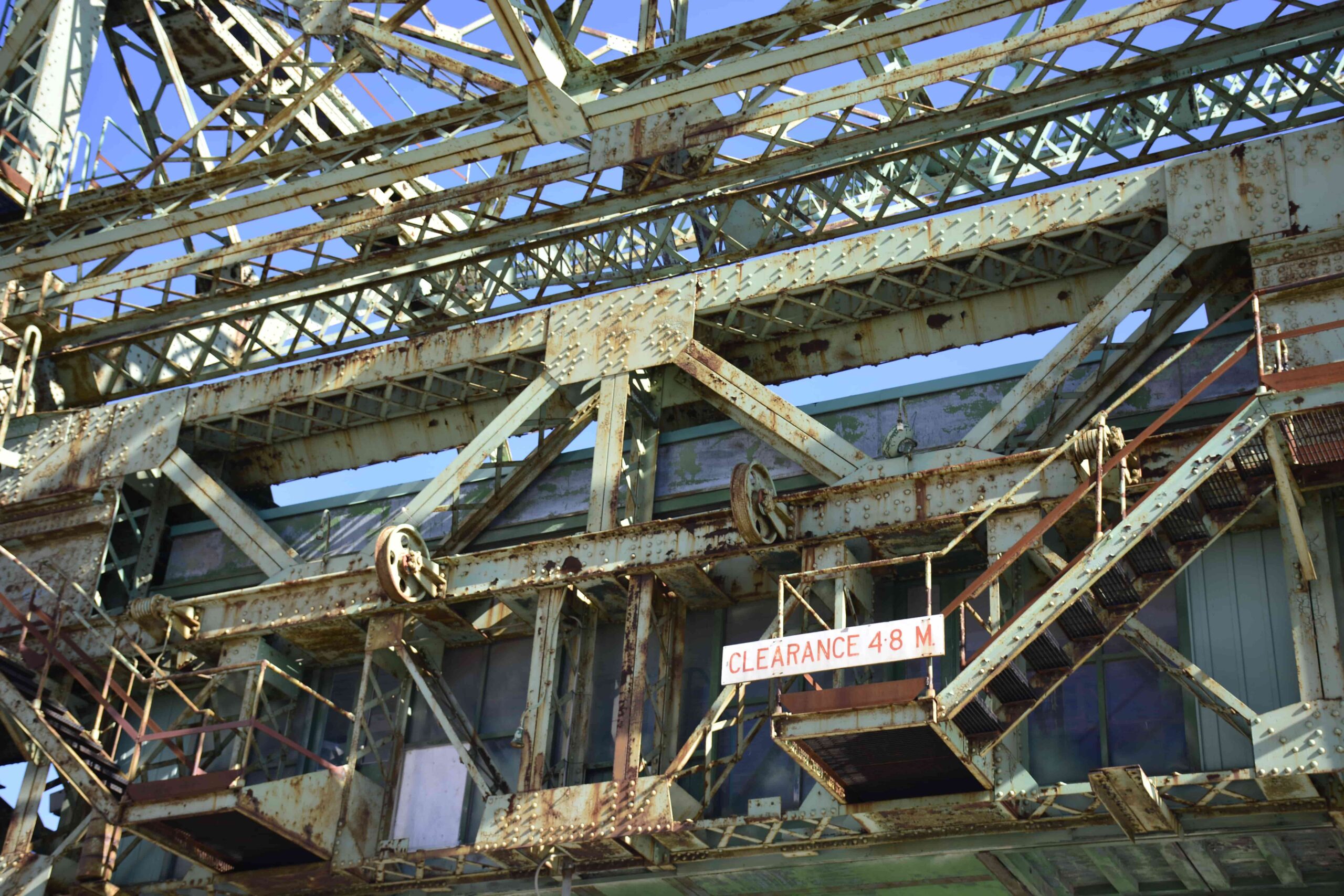
Every skyscraper, bridge, and stadium that defines New York City begins with a plan but that plan only becomes reality through accurate steel structure takeoffs. These takeoffs translate design complexity into measurable data, forming the basis for cost, procurement, and scheduling decisions across the project lifecycle.
In a construction market as fast-paced and competitive as NYC’s, precision in takeoff and estimation is not optional it’s essential. With material prices fluctuating and delivery logistics becoming more demanding, digital takeoff systems now serve as the cornerstone of both technical and financial success.
Understanding Steel Structure Takeoffs
A steel structure takeoff quantifies every steel element required for construction, from massive beams and columns to bolts and connection plates. It defines not only how much steel is needed, but how it’s fabricated, transported, and installed.
Comprehensive takeoffs typically include:
- Structural beams, columns, girders, and trusses.
- Bracing, decking, and secondary framing systems.
- Bolts, welds, and base plates.
- Protective coatings and finishes.
- Labour, equipment, and erection sequences.
These details provide the foundation for accurate Bills of Quantities (BOQs), fabrication drawings, and cost forecasts all central to NYC’s demanding construction workflows.
The Role of Takeoffs in BOQs and Estimation
The Bill of Quantities (BOQ) converts technical drawings into cost intelligence, but it depends entirely on the precision of the steel structure takeoff. Each quantity recorded in the BOQ traces its origin to a verified takeoff, ensuring that every tonne of steel is accounted for.
Integrating digital takeoffs into BOQs brings several benefits:
- Accuracy: Eliminates measurement errors from manual counting.
- Transparency: Tracks quantities, rates, and revisions automatically.
- Consistency: Aligns estimation and procurement data across trades.
- Speed: Enables faster updates when design changes occur.
In New York’s multi-contractor ecosystem, where multiple firms collaborate on one structure, a verified takeoff ensures that everyone from estimator to steel fabricator is working from the same data source.
Digital Tools Redefining Steel Takeoffs
The modern steel structure takeoff is built on digital precision. Estimators now rely on platforms such as Tekla Structures, Revit, and CostX to automate the extraction of steel quantities directly from 3D models.
Digital takeoff tools enable:
- Model-Based Measurement: Extracting every beam, angle, and connection from BIM geometry.
- Automated Updates: Real-time recalculation when models or drawings are revised.
- Visual Verification: 3D overlays that validate structural accuracy.
- Integration: Direct links to supplier databases and fabrication software.
This digital workflow allows NYC estimators to move from reactive quantity counting to proactive cost control turning each steel structure takeoff into a dynamic dataset that evolves with the project.
Managing Complexity in NYC Steel Projects
No two steel takeoffs in New York are the same. Urban site constraints, crane access limits, and complex structural geometries all influence how steel is estimated and assembled.
Estimators must account for:
- Tight staging zones and traffic restrictions for steel deliveries.
- Labour productivity variations between union and open-shop crews.
- Design detailing for high-wind or seismic zones.
- Fabrication tolerances and sequencing for vertical construction.
Accurate takeoffs capture these realities in measurable form, ensuring budgets remain realistic and constructability is maintained throughout the build.
Data and Analytics in Steel Structure Takeoffs
Beyond counting and costing, steel structure takeoffs now feed into broader data analytics systems that track performance and predict trends.
Through advanced analytics, NYC estimators can:
- Benchmark cost per ton across past steel projects.
- Forecast fabrication and erection productivity rates.
- Analyse waste ratios in cutting, welding, and assembly.
- Correlate crane utilisation data with takeoff quantities.
This shift turns takeoffs from a documentation task into a decision-making engine allowing teams to refine cost forecasting and strengthen competitive bids.
Supply Chain and Fabrication Integration
Steel estimation doesn’t stop at takeoff. Once quantities are established, digital platforms connect them directly to suppliers and fabricators.
Modern workflows integrate steel structure takeoffs with:
- CNC fabrication data for automated cutting and drilling.
- Supplier pricing feeds for real-time cost validation.
- RFID tracking for steel delivery and on-site installation.
- Cloud collaboration for procurement and project management teams.
These systems ensure that every takeoff quantity flows seamlessly into production and logistics, reducing risk and increasing accountability from mill to site.
Sustainability and Lifecycle Planning
Sustainability has become integral to NYC’s construction strategy, and steel structure takeoffs play a central role in achieving it.
By embedding environmental data into takeoffs, estimators can evaluate:
- The proportion of recycled content in steel materials.
- Carbon emissions from fabrication and transport.
- Waste reduction through modular prefabrication.
- Long-term maintenance costs and material reuse potential.
This approach turns the takeoff process into both a cost and carbon management tool, aligning projects with NYC’s sustainability mandates and global ESG frameworks.
AI and the Future of Steel Takeoffs
Artificial intelligence is rapidly transforming how steel structure takeoffs are produced and managed. AI-powered platforms can identify structural elements automatically, predict cost trends, and highlight potential design clashes before fabrication begins.
Future-ready takeoff systems will enable:
- Auto-detection of beams and plates directly from digital models.
- Real-time updates between estimators, designers, and suppliers.
- Predictive cost simulation based on market data.
- Integration with digital twins for continuous lifecycle monitoring.
In the NYC construction context where every hour and dollar counts AI-driven takeoffs will redefine how teams manage cost, accuracy, and speed.
Conclusion
Every steel structure takeoff represents more than numbers on a spreadsheet it’s a bridge between design vision and physical reality. In a city as complex as New York, where steel defines the skyline, takeoffs ensure that every project is grounded in data precision, financial clarity, and sustainable foresight.
Through digital modelling, analytics, and automation, estimators and project teams are transforming takeoffs into powerful strategic tools ensuring that the city’s future continues to rise on a foundation of accuracy and innovation.